
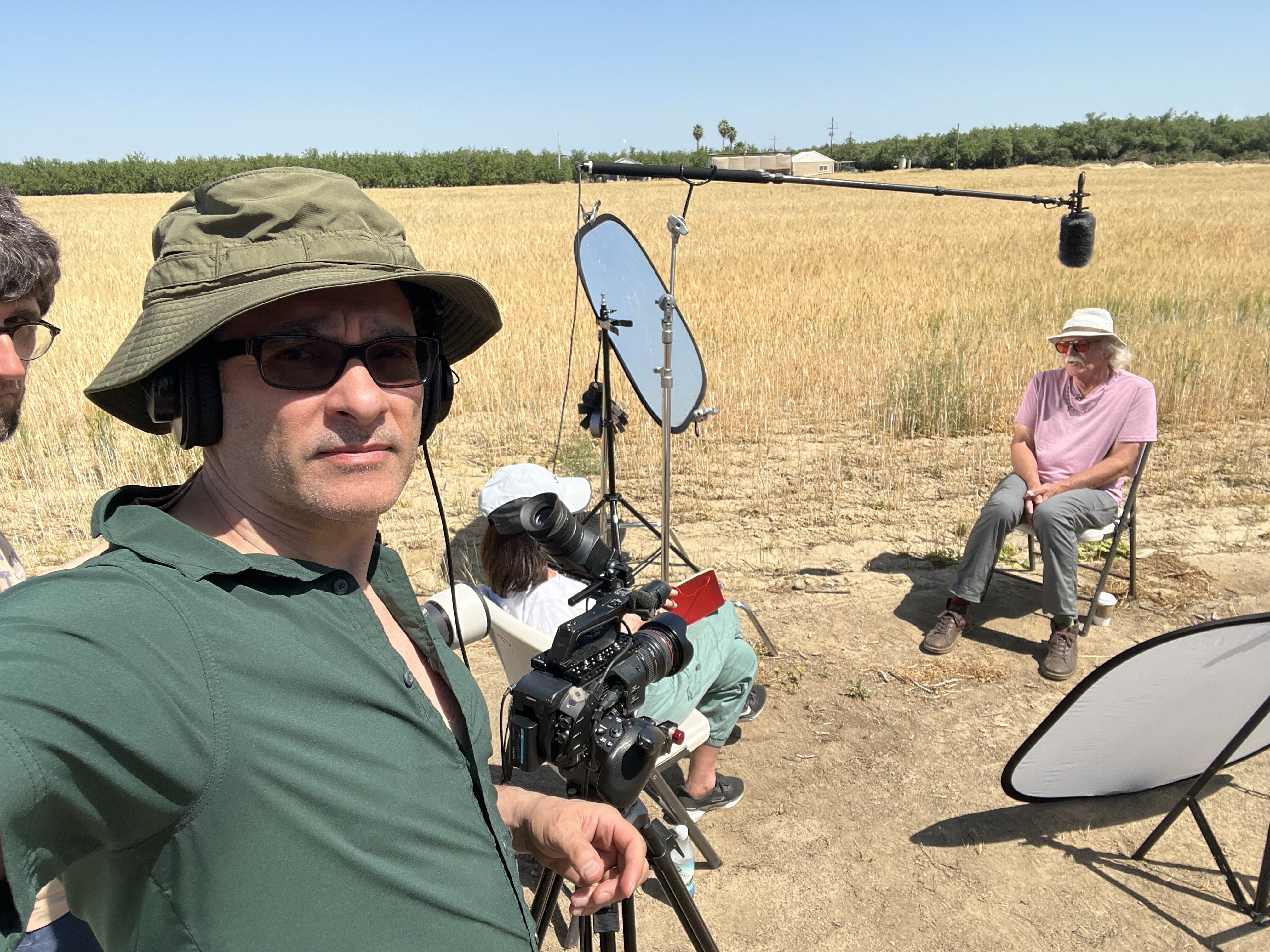
For years, long shot lists were seen as a sign of preparation. More shots meant more options. More options meant safety. If something didn’t work, there was always another angle to fall back on.
That thinking has changed.
As we move into 2026, brands are intentionally cutting 40–60% of their shot lists before production even begins. This isn’t about rushing or lowering quality. It’s about clarity. Brands have learned, often the hard way, that too many shots can weaken a film instead of strengthening it.
This shift is redefining what effective video production services actually look like.
More Shots Don’t Mean Better Films
In the past, it was common to plan for every possible scenario. Wide shots, medium shots, close-ups, alternate angles, safety B-roll, extra drone passes. On paper, it felt thorough.
In practice, it often created problems:
- Shoots ran long
- Energy dropped on set
- Performances felt rushed
- Editors were buried in choices
Brands began to notice a pattern. Films with fewer, stronger shots often felt more confident and more emotional than films built from endless coverage.
That realization is driving the change we’re seeing now in modern video production services.
What Brands Are Cutting First, and Why
When brands reduce shot lists, they don’t cut randomly. Certain types of shots are usually the first to go.
Generic B-roll is one of them. Clips that look fine but don’t add meaning are no longer worth the time. If a shot doesn’t move the story forward, it’s removed.
Unmotivated slow motion is another common cut. Slow motion is used to signal “cinematic.” Now it’s used only when it supports emotion or rhythm.
Redundant drone shots are also being reduced. One strong aerial moment often says more than five similar passes.
By trimming these elements early, brands allow video production services to focus on what truly matters.
Fewer Shots Create Better Performances
One of the biggest benefits of shorter shot lists is how it affects people on camera.
When talent knows there are fewer setups, they relax. They aren’t repeating the same action again and again. They stay present. That leads to more natural expressions and better delivery.
Crew members feel the difference, too. The pace becomes steady instead of frantic. Each setup gets proper attention. Quality improves because focus improves.
This is why brands are no longer impressed by how much can be filmed in a day. They care more about how well each moment is captured. Strong video production services support that mindset.
Editing Becomes Clearer and Faster
Long shot lists don’t just affect production. They complicate post-production as well.
Editors working with hundreds of similar shots spend more time choosing than shaping. The story gets lost in options. Revisions increase. Feedback becomes scattered.
When shot lists are tighter, editing becomes more intentional. Each shot has a reason to exist. Cuts are made with confidence, not guesswork.
Brands now understand that editorial efficiency starts before the camera is turned on. This is a core part of how video production services have evolved.
Pre-Production Is Doing More Work Than Ever
Cutting shot lists doesn’t mean less planning. It means better planning.
In 2026, more time is spent on:
- Clarifying the core message
- Defining emotional beats
- Deciding what the audience should feel
Storyboards, pre-visualization, and detailed conversations now replace long lists of “just in case” shots.
This shift places greater responsibility on the production partner. Brands expect video production services to help shape decisions, not just execute instructions.
One Shoot, Multiple Uses, Without Overshooting
Another reason brands are trimming shot lists is efficiency across platforms.
Instead of capturing everything separately, shoots are designed with a purpose:
- A hero narrative moment
- A few adaptable supporting shots
- Planned variations for cutdowns
This approach allows a single shoot to support multiple deliverables without overshooting. The result is content that feels cohesive rather than patched together.
Modern video production services are expected to think this way from the start.
Why This Signals a Maturity in the Industry
Cutting shot lists isn’t about doing less. It’s about doing what matters.
Brands have matured. They’ve tested volume-based approaches. They’ve seen what works and what doesn’t. In 2026, they value judgment over excess.
They look for video production services that understand restraint, story, and efficiency. They want partners who can say, “We don’t need that shot,” and explain why.
That level of trust only comes with experience.
How We Approach This Shift
At Enlightened Pictures, we’ve embraced this change because it leads to stronger work. We collaborate closely with our clients during pre-production to define what’s essential and remove what isn’t.
By cutting unnecessary shots early, we protect performances, streamline editing, and deliver films that feel intentional from start to finish. Our video production services are built around clarity, not coverage.
As brands continue refining how they communicate, this approach isn’t a trend. It’s the new standard. And it’s shaping how effective video production works in 2026 and beyond.