
Most brands say they want their films to feel real. They ask for honest stories, natural performances, and moments that don’t feel staged. Yet many of these films still come out flat. They look polished, but they don’t feel believable. Viewers sense something is off, even if they can’t explain why.
The problem is not the intention. The problem is how authenticity is handled on set. At Enlightened Pictures, we see this often when brands try to “be real” without changing how they actually produce films. That’s where documentary video production offers a better path forward.
Why “Just Be Yourself” Doesn’t Work on Camera
One of the biggest mistakes we see is a direction that stops too early. Telling someone to “just be yourself” sounds freeing, but for most people, it creates pressure.
Founders, employees, or clients are not trained performers. When a camera is pointed at them, self-awareness kicks in. Posture stiffens. Speech becomes careful. Natural behavior disappears.
In documentary video production, we don’t remove direction; we change it. Instead of asking people to perform, we give them context. We explain what the scene is about, what they’re doing, and why it matters. Then we let the moment unfold within that structure.
This small shift makes a big difference. People relax when they know what’s expected.
Over-Lighting Removes Emotional Texture
Another common issue is lighting that’s too perfect. Bright, even lighting may look clean, but it often removes depth. Faces lose texture. Spaces feel flat. Emotion fades.
Authentic stories need shadows. They need contrast. They need light that feels like it belongs in the environment.
In documentary video production, lighting supports the scene instead of controlling it. We often shape existing light rather than replacing it. A window, a practical lamp, or natural falloff can say more about a space than a full lighting setup.
This doesn’t mean careless lighting. It means intentional restraint.
Unscripted Does Not Mean Unstructured
Many brand films fail because they confuse unscripted with unplanned. Without structure, conversations wander. Key ideas get lost. Editors struggle to shape a clear story.
Strong documentary video production relies on preparation. We don’t script dialogue, but we plan direction. We know what themes we’re exploring. We understand what the audience needs to take away.
Before filming, we map:
- The emotional arc
- The key moments we’re listening for
- Where the scene should begin and end
This keeps the story focused while leaving room for real moments to appear.
How We Direct Real People on Set
Directing real people is different from directing actors. It requires patience and awareness.
Our approach is simple:
- We start conversations before filming
- We let people move naturally in their space
- We avoid locking them into rigid positions
- We allow pauses and silence
In documentary video production, silence matters. It creates space for thought. It lets emotion surface without being forced.
We also avoid repeating lines. Repetition kills honesty. If something didn’t land, we guide the idea again instead of recreating the same words.
Designing Scenes That Invite Natural Behavior
Authenticity doesn’t happen by accident. It’s designed into the scene.
Instead of placing someone in front of a plain background, we often film them doing something familiar. Walking through a workspace. Interacting with a team member. Handling tools or materials they use every day.
This approach, common in documentary video production, shifts attention away from the camera. Hands stay busy. Movement becomes natural. Words follow action instead of the other way around.
These moments feel lived-in because they are.
Why Sound Design and Pacing Matter More Than Dialogue
Authenticity is not just visual. Sound plays a huge role.
Over-edited audio removes realism. Heavy music can overpower emotion. Tight cuts can make moments feel rushed.
In documentary video production, we let scenes breathe. Room tone stays present. Natural sound remains audible. Music supports instead of leading.
Pacing also matters. Not every pause needs to be cut. Not every sentence needs a reaction shot. When we respect timing, the story feels human.
Cinematic Interviews Without the Stiffness
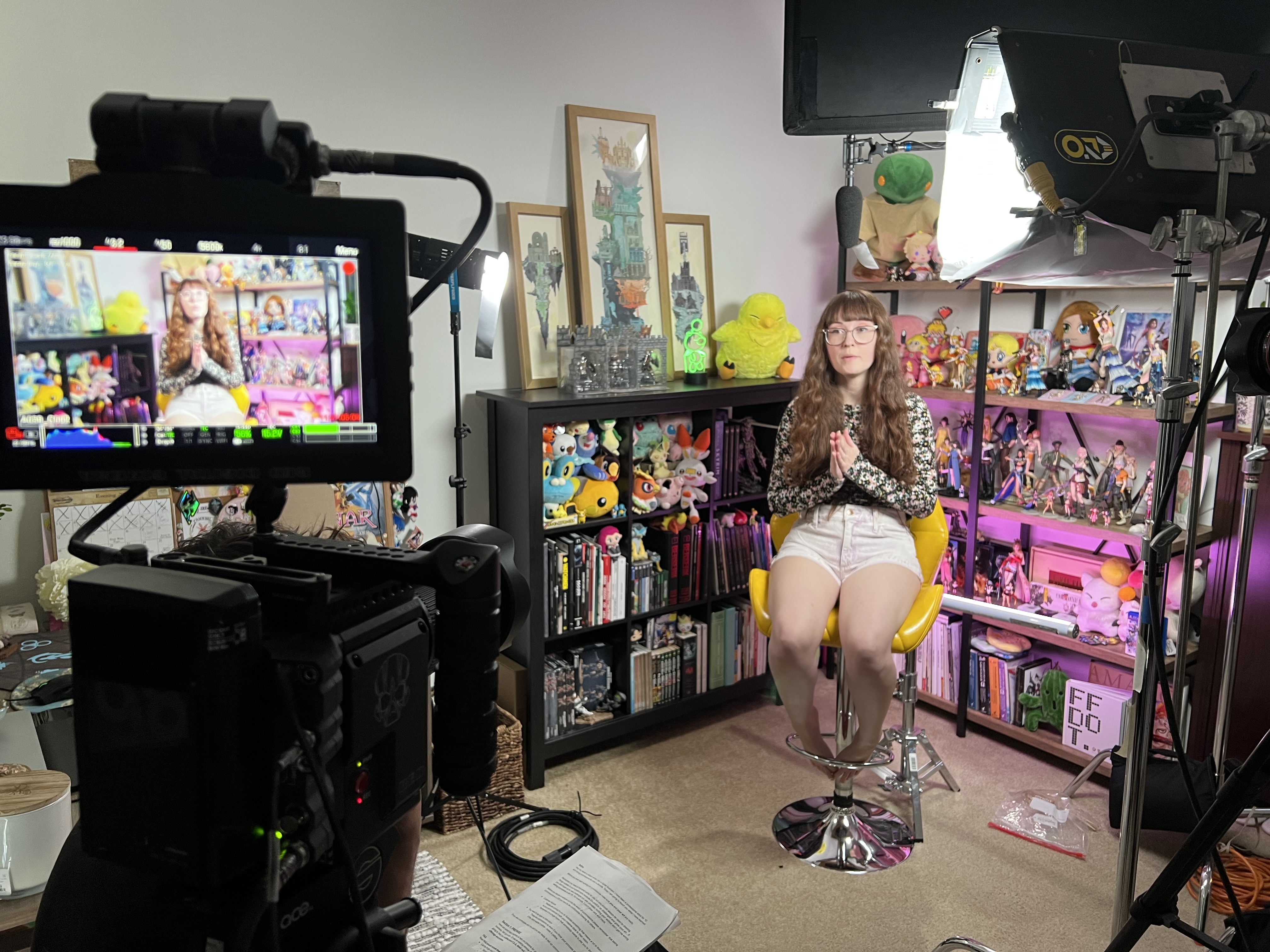
Interviews are often where authenticity is lost. Chairs are squared up. The lights are perfect. Answers sound rehearsed.
Our cinematic interview approach focuses on comfort:
- Slightly off-axis framing
- Softer lighting with natural falloff
- Casual conversation before rolling
In documentary video production, interviews feel less like statements and more like reflections. That’s where honesty lives.
Why This Approach Works
When authenticity is treated as a process, not a buzzword, results change. Films feel grounded. Performances feel real. Stories connect.
This is why documentary video production continues to influence brand storytelling. It respects people, spaces, and moments instead of controlling them.
At Enlightened Pictures, we bring this mindset to every project that asks for honesty. Not by chasing imperfection, but by creating the right conditions for real moments to appear. That’s how brand films stop trying to look authentic and start feeling authentic.