
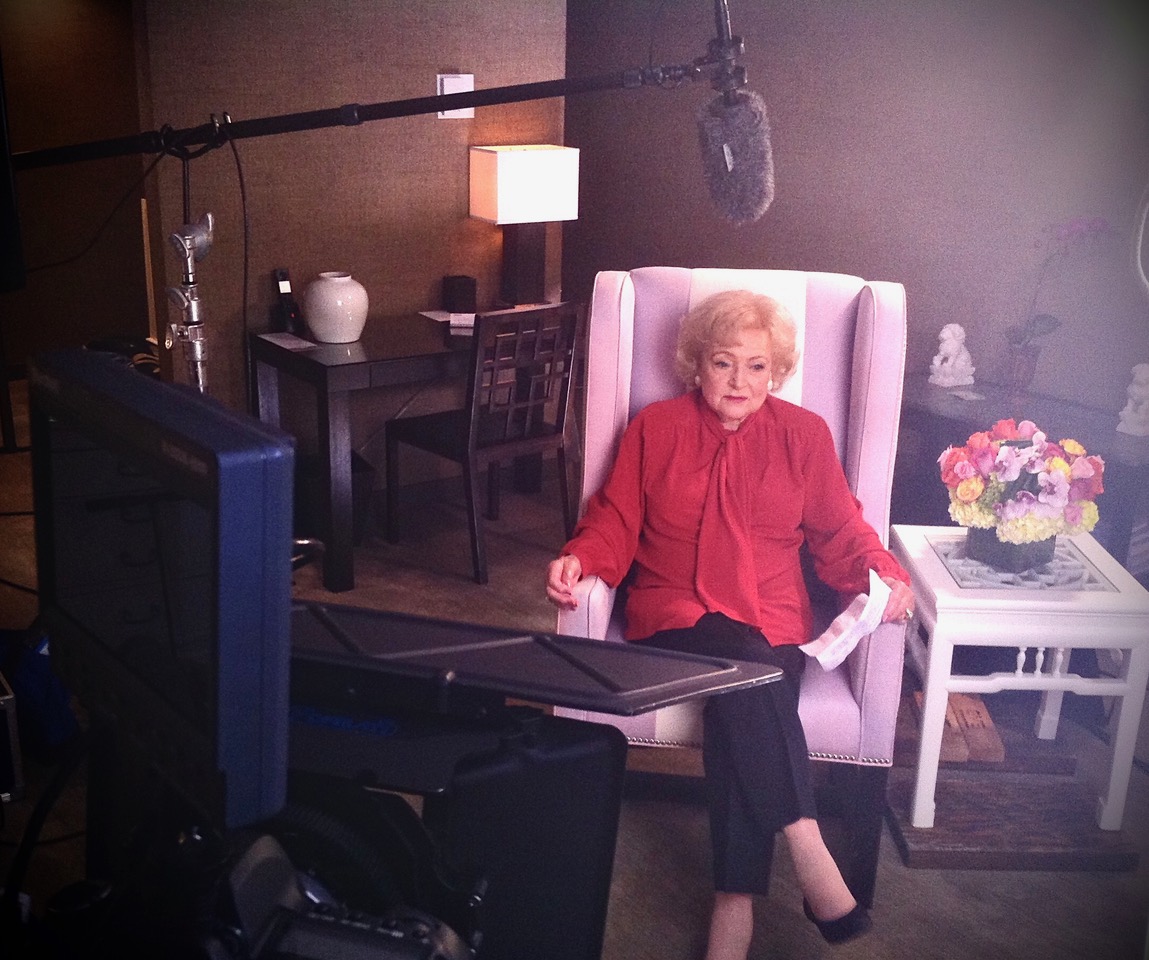
When organizations search for documentary film production companies, they often expect a simple path from idea to finished film. A great story already exists inside their work, so the assumption is that it only needs to be captured on camera. In reality, the process is far more complex.
Raw experiences don’t automatically become structured narratives, and meaning can easily get lost between interviews, footage, and editing decisions. The gap between what people live and what audiences understand is where most projects succeed or fail. That gap is also where the real craft begins.
The gap between idea and screen
The gap between idea and screen is where most documentary storytelling becomes complex. What feels clear in thought often changes when it is shaped for the screen.
- Real-life stories rarely follow a clean narrative structure once filmed and edited
- Emotional impact in conversation may weaken when broken into scenes
- Documentary film production companies must interpret, not just record, the truth
- Pacing, tone, and focus decisions directly shape audience understanding
- Misaligned expectations can lead to scattered or incomplete storytelling
Strong documentaries depend on careful shaping, not just footage. Clarity in direction ensures meaning is not lost between the idea and the final screen.
Why stories don’t always translate
One of the biggest reasons stories lose impact is a lack of narrative structure. Real life is messy. It doesn’t follow a clear beginning, middle, and end. But audiences need that structure to stay engaged. This is where editorial judgment becomes essential.
Another issue is emotional distance. People involved in a story often know too much. They may assume certain details are obvious when they are not. Skilled teams working within documentary film production companies help bridge that gap by identifying what the audience actually needs to see and hear.
Timing also matters. A powerful moment placed too early or too late can weaken the entire message. These small decisions shape how viewers interpret the story and whether they connect with it.
The core challenge behind documentary work
The core challenge in documentary work is balancing truth, structure, and emotional clarity in a way that feels natural and meaningful. This balance is what separates strong storytelling from simple recording.
- Truth must remain clear, but still be understandable for the audience
- Structure is needed, but it should not feel artificial or forced
- Emotional clarity without context can confuse rather than connect
- Documentary film production companies rely on judgment and experience to balance elements
- Each project requires a different storytelling approach
Strong documentaries come from understanding why a story matters, not just what happened. That deeper meaning is what gives the film lasting impact.
The role of production experience
Many documentary film production companies underestimate how much shaping is required before filming begins. Pre-production is often where the strongest decisions are made. It determines what will be captured, whose voices will be heard, and what themes will guide the story.
At Enlightened Pictures, we often see that the strongest stories are not the most dramatic ones, but the most clearly understood. Clarity in purpose helps guide every creative choice that follows, from interview questions to visual style.
A well-prepared team reduces confusion later in editing. It also helps avoid unnecessary reshoots or missing context that can weaken the final film. Experience plays a key role here because it allows teams to anticipate storytelling gaps before they appear on screen.
Building a strong narrative foundation
Successful documentary film production companies invest time in pre-production research, not just filming. This includes understanding the subject deeply, identifying key characters, and mapping out emotional arcs before the camera even starts rolling.
A strong narrative foundation does not restrict creativity. Instead, it provides direction. When the team knows what the story is trying to achieve, they can make better decisions in the field. This leads to more focused interviews, more intentional visuals, and a clearer final message.
Without that foundation, even high-quality footage can feel disconnected. The story may look polished but fail to leave a lasting impression.
Communication gaps that weaken stories
Communication gaps are one of the main reasons documentary storytelling loses clarity during production. Misalignment between stakeholders can quickly affect the final narrative.
- Funders, subjects, and production teams often have different expectations
- Confusion can arise around tone, message, and overall purpose
- Documentary film production companies must interpret multiple perspectives
- Lack of early alignment can complicate editing and structure later
- Scenes may need to be reworked, impacting time and budget
Clear communication ensures everyone understands both the project’s goal and its deeper intent. When alignment is maintained, the story becomes more focused, coherent, and effective.
How we approach storytelling differently
At Enlightened Pictures, we prioritize clarity from the start. We focus on understanding the emotional core of a story before deciding how it should be filmed. This helps avoid unnecessary complexity later in production.
That is what sets documentary film production companies apart when they succeed: the ability to simplify without losing meaning. Simplicity does not mean leaving things out; it means organizing them in a way that feels natural and honest.
We also pay close attention to pacing. A documentary should breathe. It should give viewers time to think, absorb, and connect with what they are seeing. Rushing the story often reduces its emotional impact.
Choosing the right production partner
Businesses looking for documentary film production companies should evaluate more than just technical skills. Equipment and editing tools matter, but they are not the deciding factor in storytelling quality.
What matters more is how a team thinks about narrative. Do they ask the right questions? Do they understand the subject beyond surface level? Do they know how to turn complexity into clarity?
A strong production partner will also be transparent about the process. They will explain how decisions are made and why certain creative directions are chosen. This builds trust and leads to better collaboration.
Conclusion
Documentary filmmaking goes beyond simply recording real events. It focuses on translating real experiences into stories that audiences can understand and emotionally connect with. The real difficulty is not discovering stories, but shaping them in a way that remains clear, meaningful, and authentic at the same time.
Every decision in the process affects how the final message is received. This is the core challenge that documentary film production companies continuously work to solve. Thoughtful storytelling is what turns real moments into lasting impact, ensuring the message stays honest and powerful.