
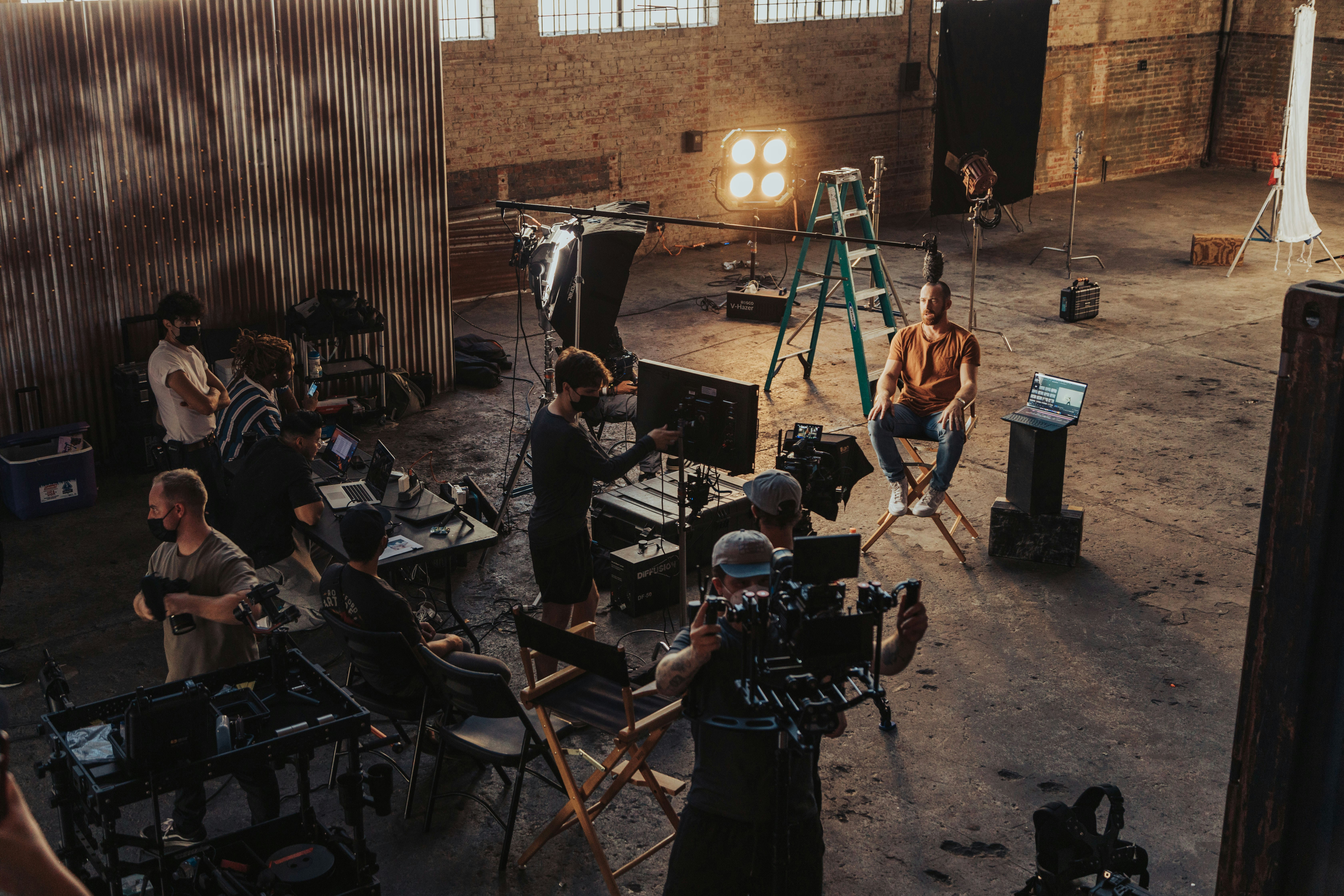
A productive shoot day isn’t necessarily the one where the crew captures the most footage. It may be the day when everyone knows what matters, the right people are ready when needed, the location works as planned, and there is enough room to respond when something unexpected happens.
A packed schedule can look efficient on paper and still leave a production without the footage it actually needs. That is why the value of a shoot day is often decided before anyone picks up a camera.
For businesses searching for production companies near me, this distinction matters. The quality of a production isn’t determined only by cameras, lighting, or crew size. Much of the day’s value comes from decisions made during planning.
A Shoot Day Has a Limited Amount of Attention
Time isn’t the only resource on set. Attention is limited too.
- A director may be watching a performance.
- A cinematographer is checking framing and light.
- A sound professional is listening for problems that might not be visible.
- A producer may be coordinating people, locations, and timing.
If basic decisions are still being made when filming begins, the crew has less attention available for the creative work.
Good planning creates enough structure for everyone to focus on what happens in front of the lens. This is one reason businesses comparing production companies near me should look beyond the equipment list and ask how the team prepares before filming begins.
The Shot List Should Tell You What Cannot Be Missed
A long shot list can make a production look organized, but quantity isn’t the same as priority.
A useful plan separates essential footage from material that would be nice to have.
| Priority | Purpose |
| Must-have | Footage required for the main edit |
| Supporting | Visuals that strengthen the story |
| Optional | Additional material if time allows |
This becomes especially useful when an interview runs long, a location is delayed, or weather affects the schedule. The crew already knows what cannot be sacrificed.
At Enlightened Pictures, our planning process includes concept development, scripting, storyboarding, location scouting and scheduling before production begins. That preparation helps us understand what needs to be captured and how the day needs to work.
The Schedule Has to Leave Room for Reality
A schedule that uses every available minute may look efficient. In practice, it can make a shoot fragile. People need time to move between locations. Equipment needs to be repositioned. Interviews can take longer than expected. A room may need to be cleared before filming.
Good scheduling accounts for these realities instead of treating them as unusual interruptions. The goal isn’t to make the day slow. It’s to prevent one small delay from pushing every later setup off course.
For teams evaluating production companies near me, this is worth discussing before booking a shoot. A realistic schedule can protect both the creative work and the budget.
Location Planning Starts Before the Crew Arrives
A location can look perfect in photographs and still create problems on filming day. There may be distracting background noise, limited parking, difficult equipment access, poor natural light, restricted filming areas or other activity that makes a setup impractical.
A location scout gives the production team a chance to identify these issues while there is still time to solve them. Our production planning includes location scouting because understanding the space in advance can prevent avoidable problems once the crew arrives.
The Right People Need to Be in the Right Place
A shoot can lose hours without anyone doing anything wrong. An interview subject arrives too early and waits. Someone needed for a scene hasn’t been called. A location contact isn’t available when access is required. These small gaps accumulate.
A production schedule should account for people as carefully as it accounts for cameras and locations. Call times, scene requirements, access, parking and contact information all matter.
The fewer unanswered logistical questions there are that morning, the more attention the team can give to the creative work.
Production Value Doesn’t Come From Equipment Alone
A larger camera package doesn’t automatically produce a more valuable shoot. The right equipment depends on what the scene requires. An interview may need a specific lighting and sound setup. A moving scene may require different support. A difficult location may call for additional equipment or crew.
The planning question isn’t simply, “What equipment can we bring?”
It’s “What does this scene require?”
That approach can prevent both under-preparation and unnecessary equipment while keeping technical choices connected to the purpose of the video.
Build the Day Around the Edit
One of the smartest ways to plan a shoot is to think about the final edit before filming starts.
- If an interview carries the main message, the production needs enough time and coverage to support it.
- If the final video needs visual variety, the crew needs more than a collection of wide shots.
- If footage will be used in different formats, framing needs to account for those uses while the camera is still on set.
This doesn’t mean trying to edit the video in advance. It means understanding what the editor will eventually need. For production companies near me, this is also an important question for prospective clients to ask: does the team think about the finished video while planning the shoot or is production treated as a separate step?
A Productive Day Still Needs Room for Discovery
Planning shouldn’t remove creativity from a shoot. An interview may produce an unexpected answer. A location may reveal an interesting visual. A subject may behave differently than expected. A particular light may create an opportunity nobody could have predicted.
A rigid schedule can make it difficult to respond to those moments. The better approach is to protect the essentials first. Once the critical footage is secured, the remaining time can be used for exploration. That’s one reason a productive shoot can feel surprisingly calm. The team knows what has to happen, leaving room to notice something worth doing differently.
What a High-Value Shoot Day Really Looks Like
A high-value production day isn’t measured by how exhausted everyone is at wrap. It’s measured by whether the team captured the footage the project needed, avoided preventable problems and created useful options for the edit.
For businesses considering production companies near me, it’s worth asking how a potential partner prepares for those things. Find out how priorities are established, how locations are assessed and how the team handles changes during production.
At Enlightened Pictures, we treat production planning as part of the creative work, not as paperwork that happens before it. Our full-service approach covers development through production and post-production, with planning shaped around the project’s goals, audience and requirements.
A camera can capture whatever is placed in front of it. Planning determines whether the right things are there at the right time. That is what makes a production day productive.