
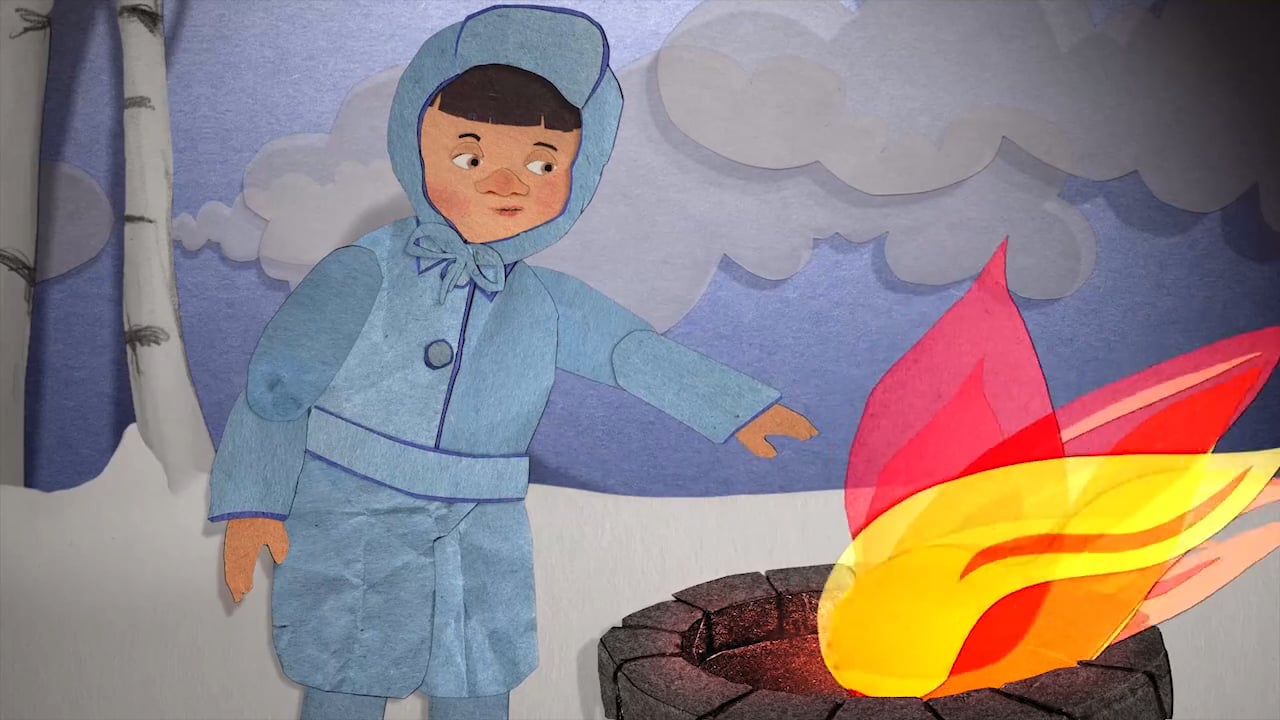
Choosing a video format should start with the message. You may need to explain a technical process, introduce your company, show how a product works, or train employees. Those goals can call for very different approaches.
Use up and down arrow keys to resize the meta box pane.
Move upMove downShow or hide panel
Use up and down arrow keys to resize the meta box pane.
Move upMove downShow or hide panel
Optimize your content for discovery.
Optimize your content for discovery.
Animation can show things that would be difficult to film. Live action can put real people, products and workplaces in front of the viewer. Sometimes combining the two makes more sense.
The corporate video formats you consider should follow your audience, message and intended use. Once those are clear, decisions about animation style, length and budget become easier. You don’t need to choose a format simply because it looks impressive. It needs to make the information easier to understand.
For more than 25 years, we’ve brought documentary craft to corporate and brand storytelling, using animation alongside live action when it helps communicate complex ideas more clearly. Our work has also been featured in The New Yorker Documentary Series.
How much does an animated video cost?
There isn’t one fixed price for an animated video. Animation costs depend on the style, amount of artwork, script, storyboard, voiceover, sound and animation required.
We offer several animation approaches, including whiteboard animation, 2D character animation, 3D animation, and motion graphics. The level of work involved can vary considerably between them. Our animation page notes that budgets can range from a few thousand dollars to much higher amounts depending on the project.
A simple animated explainer and a detailed 3D production aren’t comparable projects just because they have the same runtime. The corporate video formats you consider can affect the amount of creative and production work involved, so compare quotes based on scope rather than the final number alone.
What affects animation costs?
The visual style is only part of the budget. The amount of original artwork, number of scenes, and complexity of movement can change how much production work is required. The script and storyboard matter too. They determine what needs to be designed before animation begins. Voiceover, music, sound design, and revisions can add further work.
- Our animation services include concept development, scriptwriting, storyboarding, character design, 2D animation, 3D animation, motion graphics, voiceover and sound design.
- Our video estimator also separates pre-production, production, and post-production costs, showing why a project’s scope matters when estimating the budget.
The corporate video formats involved should be considered alongside the visual style, final length, and deliverables.
How long should an explainer video be?
There isn’t one required length for every explainer. A simple message can work in about a minute, while a technical subject often needs more time.
The better starting point is the amount of information the viewer actually needs. Cutting an important explanation just to meet an arbitrary runtime can leave the story incomplete. Adding information simply to make the video longer creates a different problem.
Look at where the video will be used too. A homepage explainer may need a different pace from an internal training video. The corporate video formats you choose should give the audience enough time to understand the main point without burying it in unnecessary information. Start with the message. Decide the runtime after you know what needs to be said.
What is the difference between 2D and 3D animation?
2D animation uses flat artwork such as illustrations, characters, shapes, and graphic elements.
2D works well when the goal is to explain an idea through clear visual sequences.
3D animation creates objects and environments with visible depth.
3D works well when viewers need to understand a physical product, mechanism or space from different angles.
We provide both 2D and 3D animation, along with motion graphics and other animation services. The choice should come down to what the viewer needs to see. A straightforward explanation often works well with 2D.
A product with physical components often benefits from 3D. Neither approach automatically wins. Different corporate video formats call for different visual treatments, and the style should serve the subject.
What is corporate video production?
Corporate video production is the creation of video content for a business or organization. The purpose can vary. A company may need to explain a service, introduce its people, train employees, tell a brand story or communicate with customers.
We produce different types of business-focused video, including company overview videos, brand stories, product and service videos, explainers and testimonials. Production can involve scripting, filming, directing, editing, sound, graphics or animation depending on what the project requires.
Corporate video formats aren’t interchangeable. A company overview has a different purpose from an employee training video. A product explainer needs a different approach from a customer testimonial. Start with the audience and the information they need.
What types of corporate videos are there?
There are several common corporate video formats, and each serves a different purpose. Company overview videos can introduce a business. Brand stories can communicate what a company stands for. Product or service videos can explain an offering. Testimonials put customer experiences at the center.
Training and instructional videos can help employees understand processes or information. Recruitment videos can introduce a workplace to potential candidates. Corporate video work can also support investor and IPO communications, nonprofit storytelling and healthcare communications, depending on the audience and purpose.
We work across several of these formats and can help shape the approach around the message and audience. When choosing among corporate video formats, don’t start with the format name. Start with the job the video needs to do.
- Who will watch it?
- What should they understand?
- What should they do afterward?
Those answers usually make the right direction clearer.
When should you choose animation?
Animation works well when something is difficult to show with a camera. Technical processes, abstract ideas, internal systems and concepts that aren’t physically visible can often be represented more clearly through designed visuals. Live action has a different strength. It can put real people, products, locations and customer experiences on screen.
We work with both animation and live-action production, so we choose the format around the subject rather than forcing every project into one approach. A combined approach also works when the project needs both. The important question is what the audience needs to see.
Among different corporate video formats, animation makes sense when designed visuals improve understanding. Live action makes sense when real people or places are central to the message.
How to choose an animation company?
Look at work that’s similar to your project rather than judging a company only by its strongest reel. If you’re considering a testimonial video company, pay particular attention to how well the team captures real customer experiences and turns them into a clear story. Pay attention to whether the visuals actually explain something clearly. Ask how the company handles concept development, scripting and storyboarding before animation begins. You should also understand the revision process, final deliverables and who will manage communication throughout the project.
We handle animation from concept development and scriptwriting through storyboarding, animation, voiceover and sound design. When you speak with us, tell us what the audience needs to understand and where the video will be used. We’ll recommend an approach based on those requirements.
A good animation company should be able to explain why its proposed style fits the project, not simply show you attractive work. Whether you’re looking for an animation company in Los Angeles or San Francisco, the same principle applies: the proposed style should fit the subject, audience and purpose.
Choose the Right Production Approach
The production choice should follow what the audience needs to understand and how the finished video will be used.
Before requesting a quote, define the main message, intended audience, approximate scope and expected deliverables. That gives a production company enough context to recommend an appropriate approach and estimate the work involved.
At Enlightened Pictures, we work across animation and live-action production. We can help shape the creative approach around the subject rather than starting with a predetermined format. A clear brief also makes it easier to compare proposals. You’ll have a better idea of why one company recommends a particular style, timeline or production scope.
Ready to estimate your project? Use our video production estimator to explore the scope and potential costs before getting started.
Frequently Asked Questions
What should I prepare before asking for a video quote?
Have four things ready: your main message, who the video is for, where it will be shown, and a rough idea of length. Existing brand guidelines, scripts, or reference videos you like also help. The clearer the brief, the easier it is to compare quotes fairly.
Do I need a finished script before contacting a production company?
No. Many clients come to us with only a goal and some key points. Scriptwriting and storyboarding are part of our process, so we can help turn your ideas into a script that fits your audience and runtime.
How do I know whether animation or live action suits my topic?
Ask what the viewer needs to see. If you’re explaining something invisible or abstract, like a software process or internal system, animation often shows it more clearly. If trust depends on real people, products, or locations, live action is often the better fit. If you need both, a combined approach is also an option.
Can one video be used across my website, social media, and sales presentations?
Often, yes, but plan for it early. A video made for a homepage may need a shorter cut or a different aspect ratio for social platforms. Tell us every place the video will appear so we can plan the right versions from the start.
Which corporate video formats work best for employee training?
Training usually calls for clear, step-by-step instructional content. Animation works well for processes and systems that are hard to film, while live action suits hands-on demonstrations or workplace scenarios. The right corporate video format depends on what employees need to be able to do afterward.