
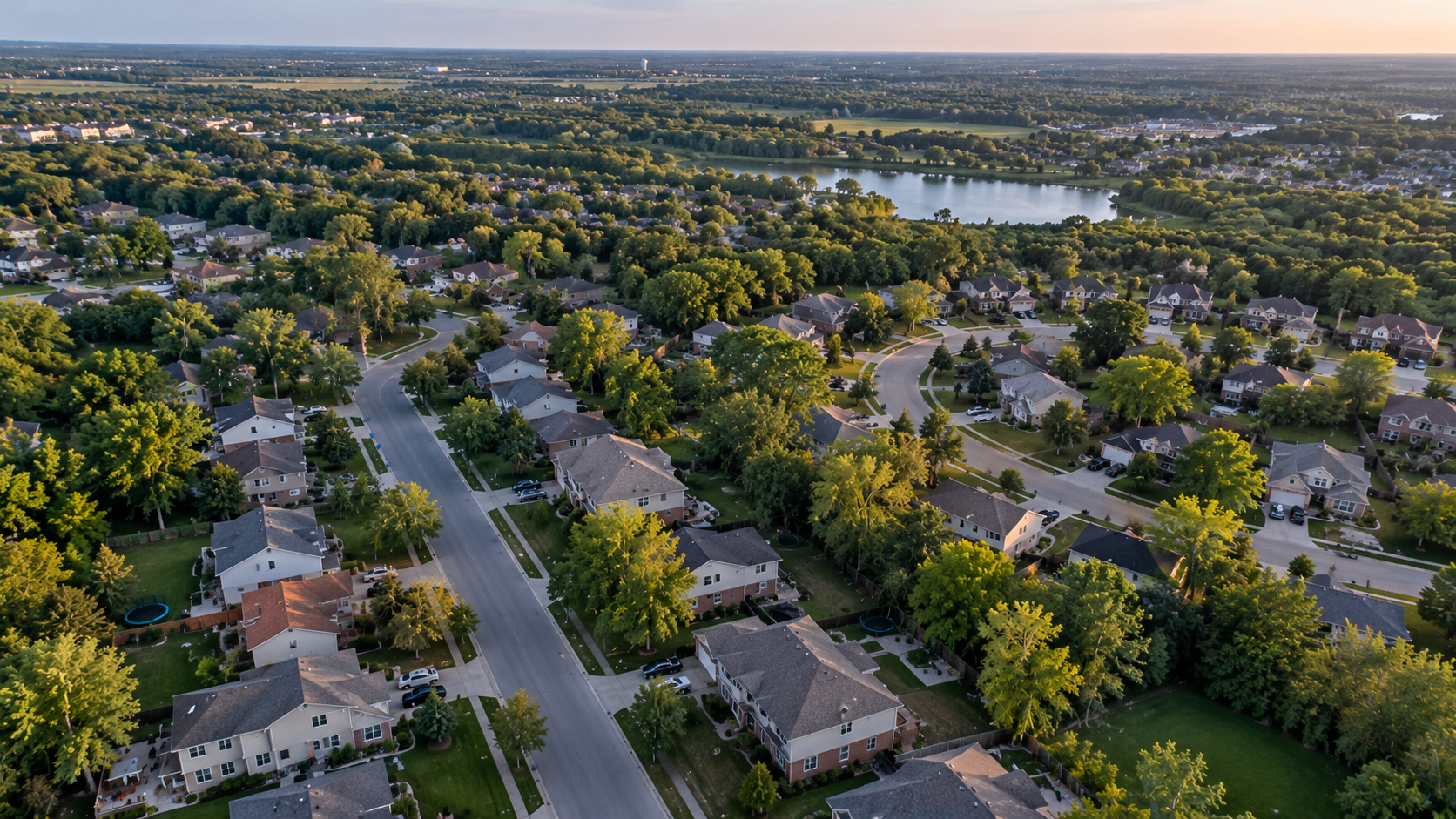
A drone gives you a view that a camera on the ground can’t capture. That can be useful when filming a commercial property, documenting an industrial site, or making a promotional video. The cost varies quite a bit, though, and flying in Los Angeles comes with rules that need to be checked before the shoot.
So, what should you budget for, and do you need a license? It depends on the job and where you plan to fly. Here’s what to check before hiring a drone operator.
How much does drone photography cost?
A basic drone photography shoot may cost around $150 to $500 while a larger commercial or cinematic production can cost $800 to $6,000, or more. Those figures are estimates, not fixed rates.
The cost of drone photography and videography depends on the size of the shoot, and the work involved. A short session at one property usually requires less time than a project covering several locations with edited video. Some operators charge by the hour while others quote for the full project. Check what’s included before comparing prices.
- Does the quote cover edited photos?
- What about travel or permit fees?
These extras can change the final bill so ask for an itemized estimate before booking.
Is drone photography legal in Los Angeles?
Yes, drone photography is legal in Los Angeles, provided the flight follows FAA rules, and any local restrictions that apply. Commercial pilots generally need an FAA Part 107 Remote Pilot Certificate and some flights require separate airspace approval.
The address matters. A location may sit near controlled airspace, or fall under a temporary flight restriction, which can affect whether a drone can fly there. Private property owners may also need to give permission while certain parks and event venues have their own rules.
Check before you book the shoot. Finding out on filming day that the location needs approval can throw the whole schedule off.
What are drone videography services?
Drone videography services involve filming from the air for business, property, or production projects. Depending on the job, the service might include:
- Real estate marketing: Aerial views of a property and the area around it.
- Industrial filming: Video of facilities, machinery, or large work sites.
- Events and film production: Aerial shots for a promotional video or a filmed scene.
- Flight planning and filming: Checking the location and planning the shots before takeoff.
- Video editing: Turning recorded clips into a finished video for a website, or social media.
At Enlightened Pictures, drone photography and videography can be booked as a standalone service or included in a larger video production project. Before signing off on a quote, find out whether you’ll receive raw footage, an edited video, or both. That small detail can make a big difference to the budget.
What is drone footage used for?
Drone footage is often used to show the size of a property, or help viewers understand a location from above. Real estate businesses use aerial views in listings, while industrial companies may use them to show a facility or record construction progress.
For industrial work, an overhead shot can reveal how buildings, access roads, and work areas fit together. You can see examples in industrial drone photography.
Aerial footage also appears in corporate films and marketing videos. But more footage doesn’t always mean a better result. Start with what the viewer needs to see, then plan the shots around that purpose.
Do you need a license for drone photography?
For commercial drone photography in the United States the pilot generally needs an FAA Part 107 Remote Pilot Certificate. Drone registration and airspace authorization may be required too, depending on the aircraft and planned flight.
Recreational flying follows a different set of rules. If you’re hiring a company for drone photography and videography at a business or industrial property, ask who will fly the drone and whether they’re certified. Don’t assume the production company handles every permission automatically.
You can review the Los Angeles drone services portfolio to see examples of the company’s aerial work before discussing your project.
How do you plan a drone shoot?
Start with the location and the result you need. Are you after a few exterior photos, a video showing an entire facility, or aerial clips for a longer company film? Tell the production team how the footage will be used. That helps them work out the shots and give you a more accurate quote.
Weather and flight approvals can affect the filming date. Editing takes time afterward, especially if you need different cuts for your website and social channels. Ask for the full video production timeline, from the planned shoot date to delivery of the finished files. It’s easy to focus on filming, and forget that the editing stage may take longer than expected.
Frequently asked questions
1. How long does a drone photography shoot take?
A simple property shoot may take around an hour on site. A larger drone photography and videography project can take half a day or longer, depending on the location, weather, and number of shots required.
2. How long does drone footage take to deliver?
That depends on the amount of editing. Photos may be ready sooner than a video that needs color correction, music, or graphics. Ask for a delivery estimate that includes post-production.
3. Can Drone images be commercialized for marketing?
Yes, but provided the flight is conducted in accordance with the legal requirements and you hold the rights and permissions required to use the footage. Please refer to your agreement for any limits on publishing or sharing the completed project.
4. What things should I keep in mind when choosing a drone operator?
Inquire about FAA certification and insurance as well as experience on projects similar to yours. Look at their portfolio and obtain a written proposal detailing what they include, particularly editing and delivery.
5. Can drone footage be used on industrial sites?
Yes. Can display layouts of a facility, equipment or construction progress, from above. The operator should consider any work in progress, restricted areas of the site and workers when planning for this.
Always check that the quote includes some footage that you require, and ask who will be responsible for any airspace clearance that may be necessary for the flight. Those details are more easily worked out before shooting.